

Dermatologist VS Cosmetic Clinic
By Northside Dermatology
Published on September 10, 2026
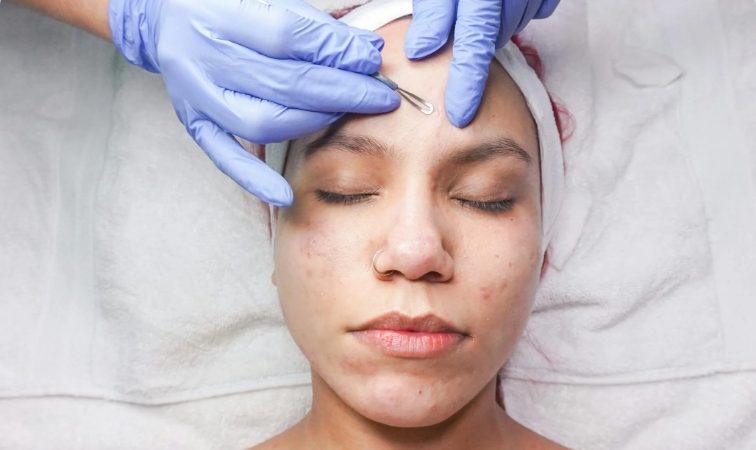
Dermatologist vs Cosmetic Clinic: What Is the Difference?
Choosing where to go for skin treatments or medical skin concerns can be confusing. Both Dermatologist and Cosmetic Clinics offer services for your skin but their training, medical regulation, scope of practice and diagnostic capabilities differ significantly.
Understanding these differences will help you make an informed decision about your skin health and aesthetic goals.
What Is a Specialist Dermatologist?
Quick Answer: A specialist dermatologist is a registered medical doctor who has completed an additional four to five years of specialised medical and surgical training solely focused on skin, hair and nails. In Australia, they hold the qualification FACD (Fellow of the Australasian College of Dermatologists).
Medical Expertise and Training
To become a Fellow of the Australasian College of Dermatologists (FACD), a doctor must complete:
- A tertiary medical degree (MBBS or MD) followed by hospital residency.
- A competitive 4-year specialist training program covering medical, surgical and aesthetic dermatology.
- Over 10,000 hours of supervised clinical experience diagnosing complex skin conditions, skin cancers and aesthetic concerns.
Because dermatologists have an intimate understanding of skin histology, underlying pathology and facial anatomy, they have the expertise to distinguish between cosmetic skin issues and underlying medical conditions.
What Is a Cosmetic Clinic?
Quick Answer: A cosmetic clinic is a facility that provides aesthetic and non-surgical cosmetic treatments. Practitioners in cosmetic clinics may range from general medical practitioners and cosmetic nurses to dermal therapists or beauty therapists, depending on the clinic model.
Team Structure and Qualifications
Cosmetic clinics focus primarily on appearance-enhancing procedures rather than medical skin conditions.
- Cosmetic Doctors / General Practitioners: Medical doctors who hold a general registration and have undertaken postgraduate courses or short workshops in aesthetic procedures.
- Cosmetic Nurses: Registered or Enrolled Nurses qualified to administer non-surgical treatments under the supervision or prescription of a medical practitioner.
- Dermal Therapists / Dermal Clinicians: Non-medical practitioners who hold formal qualifications in dermal science (such as a Bachelor of Dermal Sciences) specialising in skin treatments and laser safety.
Dermatologist vs. Cosmetic Clinic
Specialist Dermatologist (FACD)
Primary Focus: Comprehensive diagnosis & management of medical, surgical & aesthetic skin conditions.
Qualifications: Medical Degree + 4+ years accredited Specialist Dermatology Fellowship (FACD).
Diagnosis Capabilities: Full diagnosis of skin cancers, complex rashes, hormonal acne, & scarring.
Treatment Range: Medical prescriptions, advanced laser surgery, minor surgery, & aesthetic procedures.
GP Referral Needed? Yes, for Medicare rebates on medical consultations.
Cosmetic Clinic / Dermal Practitioner
Primary Focus: Non-surgical aesthetic enhancements, skin rejuvenation, & beauty therapy.
Qualifications: Varies: Medical Degree, Nursing Degree, or Diploma/Degree in Dermal Sciences.
Diagnosis Capabilities: Aesthetic skin assessments; refers medical skin conditions out to specialists.
Treatment Range: Non-prescription topical treatments, light-based therapies, & cosmetic procedures.
GP Referral Needed? No, for private cosmetic consults.
When Should You See a Specialist Dermatologist?
A specialist dermatologist is recommended if you have underlying skin disease, unconfirmed diagnoses, or are seeking comprehensive medical and aesthetic care.
1. Complex Medical Skin Conditions
If you suffer from chronic conditions such as severe or hormonal acne, rosacea, eczema, psoriasis, or unexplained rashes, a dermatologist provides accurate medical diagnoses and access to prescription therapies.
2. Early Detection of Skin Cancers & Lesions
Cosmetic treatments should never be performed over undiagnosed skin lesions. Dermatologists can perform comprehensive full-body skin checks, mole monitoring, and surgical biopsies or removals.
3. High-Risk or Advanced Energy-Based & Laser Treatments
Dermatologists are trained in skin optics, laser physics, and depth management. For advanced energy-based procedures, such as deep ablative CO2 resurfacing, vascular lasers for structural redness, or severe scarring treatments, a specialist oversees treatment to minimise complications.
4. Holistic Aesthetic Integration
If you wish to refresh your appearance while addressing sun damage, structural volume loss, or hyperpigmentation, a specialist dermatologist can create an integrated plan combining medical-grade skincare, laser technologies, and targeted aesthetic procedures.
When Might a Cosmetic Clinic or Dermal Clinician Suit You?
A cosmetic clinic or qualified dermal clinician may be suitable if:
- You are seeking general skin maintenance, such as superficial chemical peels, extractions or basic micro-needling.
- You are looking for non-medical skincare support and cosmetic product recommendations.
- You do not have a history of complex skin disease, skin cancers, or unexplained lesions.
Safety & Complication Management: Why It Matters
Every cosmetic and dermatological procedure carries inherent risks, including hyperpigmentation, scarring, vascular compromise, or burns.
The primary advantage of consulting a clinic led by specialist dermatologists is complication management. Specialist dermatologists possess the medical authority and prescribing rights to treat adverse reactions immediately should they occur, ensuring your health and safety are prioritised throughout your treatment journey.
Frequently Asked Questions
Do I need a referral to see a dermatologist for cosmetic procedures?
No. You do not need a General Practitioner (GP) referral for a purely cosmetic or aesthetic consultation at a dermatology clinic. However, if you wish to discuss medical conditions (such as acne, eczema, or skin cancer checks) and claim a Medicare rebate for your consultation, a valid GP referral is required.
Is a “Cosmetic Doctor” the same as a Dermatologist?
No. The term “Cosmetic Doctor” refers to a medical practitioner who performs cosmetic procedures. They have not completed the accredited four-year specialist training program required to become a Fellow of the Australasian College of Dermatologists (FACD).
Can a cosmetic clinic treat my acne or rosacea?
Dermal therapists and cosmetic clinics can assist with mild congestion or superficial redness using supportive treatments. However, moderate to severe acne, scarring, or persistent rosacea requires medical assessment by a specialist dermatologist to identify root causes and prescribe targeted prescription medications.
Choosing the Right Path for Your Skin Health
At Northside Dermatology, our medical and aesthetic consultations are delivered by an experienced clinical team, including consultant specialist dermatologists, procedural medical practitioners, and registered nurses. Located in Fitzroy North and Reservoir, we combine advanced medical technology with personalised treatment plans tailored to your individual skin goals.